Late-July harvest status at the farm

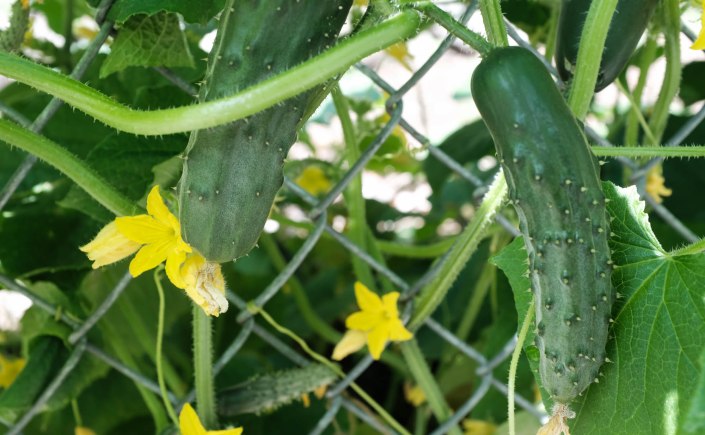
It’s been hot and humid without a lot of rain, so we’ve been working hard to keep up with plenty of watering. We are just starting to get some ripe tomatoes with so many more to come, though some tomato leaves have started to turn yellow — our pest committee is investigating as a possible attack. There are so many cucumbers, I can’t believe I didn’t get a picture of any of them hiding in and around the fence. The okra is the one plant loving this weather, and it never seems to look wilted. The watermelon in the straw bale is doing great, though we weren’t sure how to tell when to harvest them. The seed packet indicated they were ready when the underside turns yellow, so we picked our first one based on that tip. Unfortunately it wasn’t ripe yet! But we have another one far along on the vine (and more little babies), and I did a search for recipes to make use of underripe watermelon. More to come on that topic!

Then and now: seeing how far we’ve come

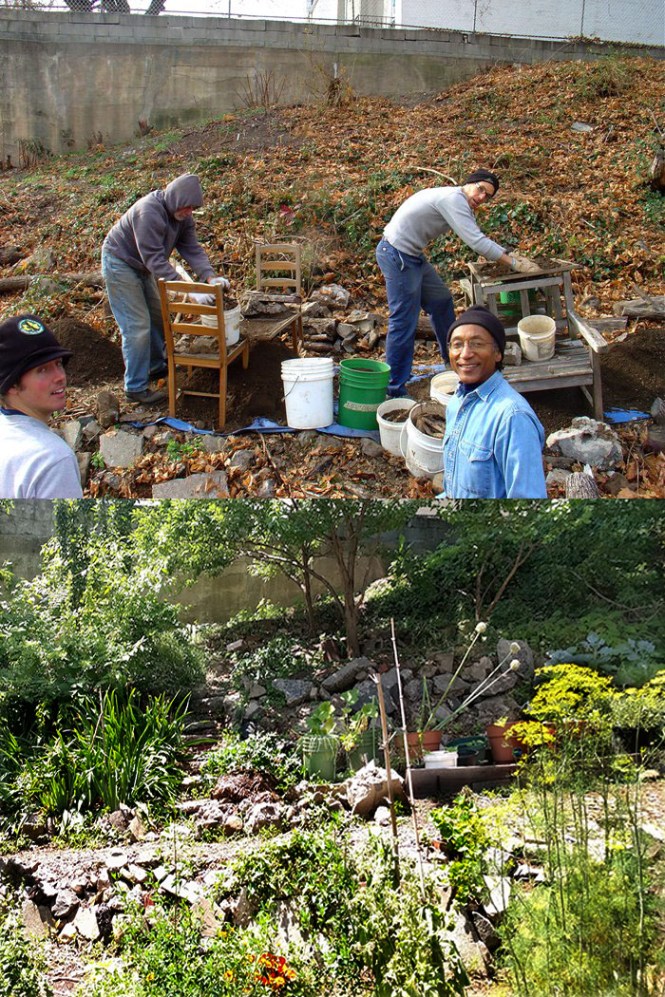
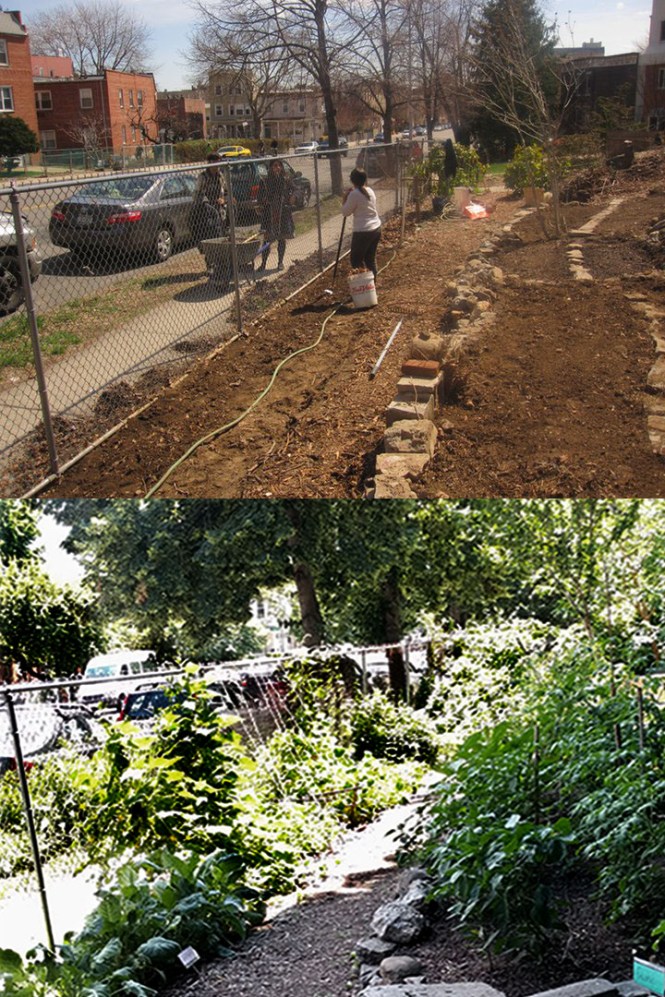
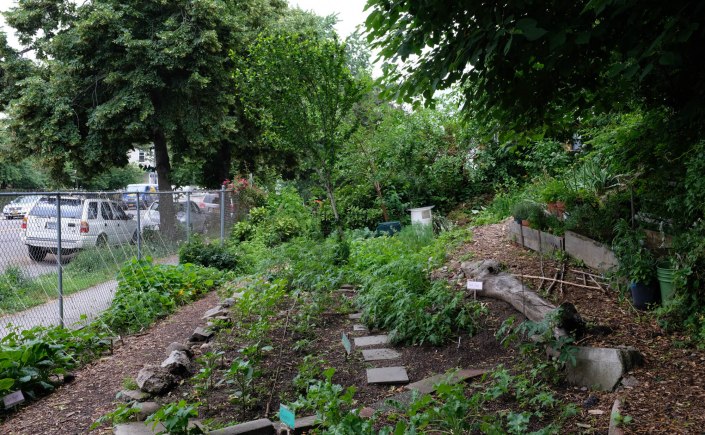
Farm member Jo went on a little journey through our Facebook photo history and made these before and after pictures from the farm’s early days compared to today. The transitions are made more extreme as the before photos all look to be from early spring work days compared to the lush summer days of 2017. As founder Tom Angotti replied, “What a difference a community and the summer make!”

2010 and 2017

Looking up the hill in 2010 compared to 2017

2011 and 2017

Along the fence, 2011 to 2017

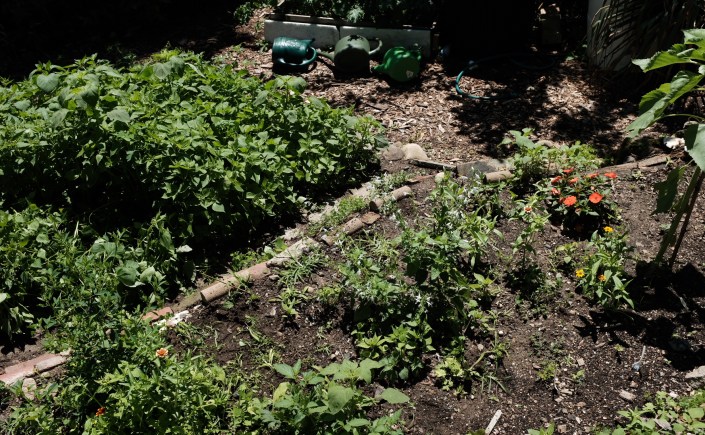
2011 and 2017

How the beds have changed, 2011 to 2017

Fruit trees 2013 to 2017

Fruit trees being planted in 2013 and today in 2017

Busy weeks of plant growth and bed construction

It’s been a busy couple weeks at the farm, and everything is now really coming alive. Most of our plants have seen explosive growth just in the last few weeks. We’re just now getting our first cucumbers, and there are tons of tomatoes we hope to see ripe soon with more flowers blooming. The fence is on its way to being lushly covered in nasturtiums, green beans, and cukes.

We also recently got a shipment of lumber and soil from GreenThumb, which we used to fill up our herb beds and build a couple more raised beds. Though we are committed to improving our soil (as talked about here), our concerns about lead tests results have encouraged us to do some raised bed gardening in the meantime. This will enable us to consider growing some of the root veggies we’ve avoided out of safety — like carrots, beets, and radishes! We are still waiting on another shipment of soil to get going on planting the big beds. In the meantime, our construction team used some of the wood scraps to build two benches for our lounge area up on the hill.

Thanks to everyone who has come out to help with this project, especially our farm newcomers!

Steamy days for working in the soil

Hot and sunny

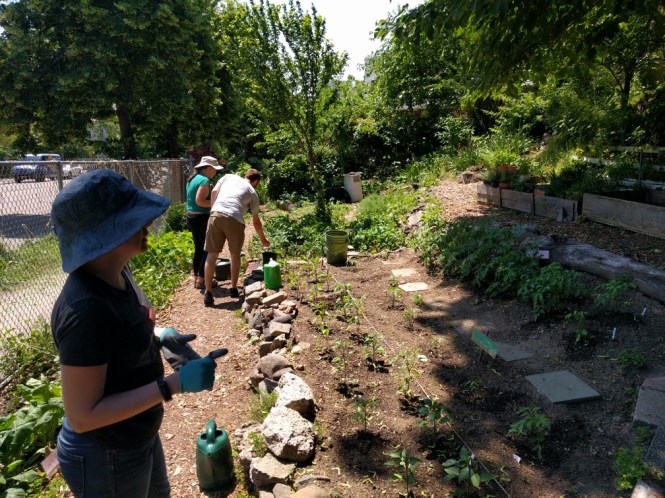
It was hot and steamy this weekend, but there were farmers out early Saturday to tend to our beds and stake plants. Everything is growing well, including the weeds! We are trying our best to keep up with them all.

We have two work days scheduled on our calendar this week:

  • Tuesday morning we’ll be receiving soil and lumber from GreenThumb and can use help from 8:30–10:30am to help move everything in the farm. Some of the soil will be going into empty beds.
  • Saturday we’ll be continuing the project by constructing a new raised bed with the lumber and then fill with soil and level it out. We usually have a small group of farmers working on Saturday mornings, but we’ll need a good crew to get this project done.

Please come lend a hand if you are able to!

On the brink of escalating harvests

The farm

True summer is only a few days away now, and we’ve been having plenty of storms to help keep the farm well-watered. We’re seeing more signs of the harvests to come (aside from the plentiful greens we’ve been enjoying) — our first snap peas and lots of bush bean blossoms were most seductive today. Almost all our tomatoes are flowering now, so it won’t be long until we have ripe veggies to share.

The green beans we replanted late popped up quickly, and there are some lovely white onion flowers up on the hill, a beautiful organic variety one of our composters saved from the bin. Overall the farm is starting to fill up with greenery.

On July 1st, in addition to our usual Saturday tasks, we’re getting a bunch of soil and lumber to fill and build new raised beds. Anyone interested in lending a hand should come between 10 and 11am.

Hot, sunny, and ready for summertime

Our usual Saturday work hours were filled with watering, weeding, spreading tomatoes around, and filling in some empty spots in our plots. Some green beans didn’t come up, so we decided to try again and planted more seeds.

Farmers

We have a lot of blooms around the farm now, from nasturtium to roses to yarrow to the so-called cardinal climber (which looks quite purple so far). We planted more sunflowers in our all-flower bed. Our mixed kales are also looking quite happy.


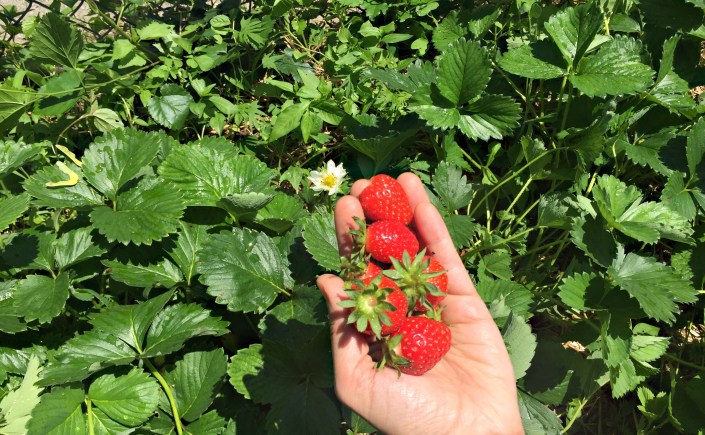
In the tomato realm, we have so many and so many large varietals (we weren’t totally sure what they were when we planted them!) that we needed to shuffle some around because they were getting crowded. Several plants were potted up to sell at the Windsor Terrace Food Coop; thanks to Corey and Jo for coordinating! We’ve started caging up our tomatoes, and we spied a few tiny fruits. So far we are harvesting strawberries, greens, and herbs and can’t wait to start picking tomatoes too.


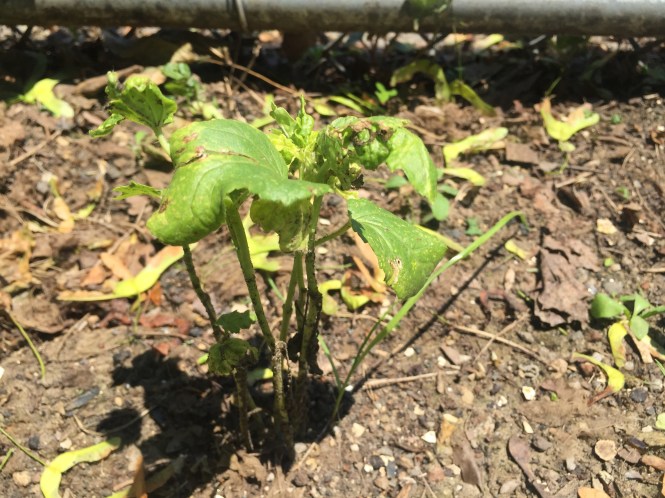
Our okra still is not thriving, though most of the plants have hung in there. Any ideas what’s wrong?

Sad okra

Desperately seeking spring sunshine for seedlings

Watermelon seedlings

The rainy weather we’ve been having has been great for the farm beds. Almost everything is doing well — strawberries are ripening, we have lots of greens to harvest, and all the tomatoes are coming along. Also those straw bale watermelon seeds have sprouted nicely. Our mystery starts from GreenThumb are looking a bit like collards, perhaps? The okra (not pictured, because they looked so sad) might enjoy a little more heat and sun. Wouldn’t we all? But June is coming, and we’re looking forward to summer harvests to follow!

It’s all about greens and purples right now

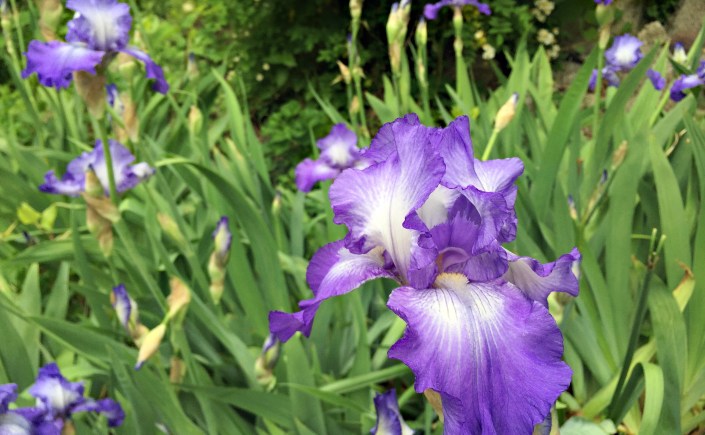
irises have exploded

We have a lot of little seedlings that are growing up so fast, and we even have a few flowers on some tomatoes — but right now the most exciting things are the irises and strawberries! Purple and green must be the colors right now as the clematis on the fence is blooming too. Red is starting to make a showing, as after I took these strawberry pics last week, a few have started to ripen…

Experiments in urban farming

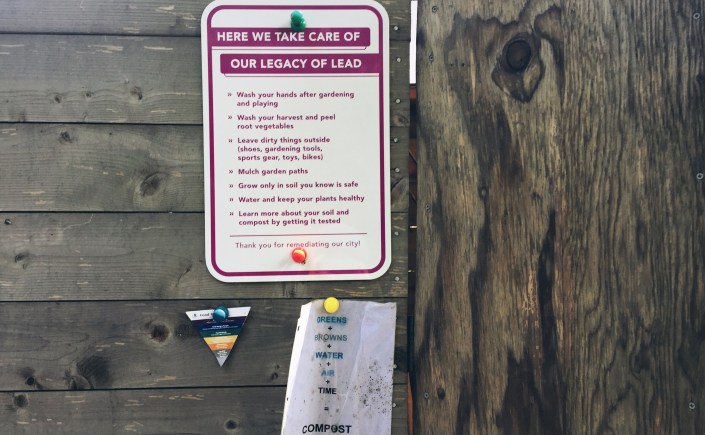
Lead-awareness sign on our shed

Maybe you’ve noticed this sign talking about “Our Legacy of Lead” on our shed, and it’s there for an important reason. One thing Prospect Farm has worked on since the beginning is improving our soil quality. Like any urban green space that has existed alongside roads and highways for more than 40 years, our soil is contaminated from the lead in exhaust, even though it’s been many years since gas has had lead in it. Soil near houses older than 50 years also tend to have elevated lead levels from the paint chipping off over time.

It’s difficult to extract lead from soil, so the most effective approach is to add more to it in order to bring its overall concentration down — things like compost, which is why we maintain our well-organized composting system! We test a selection of our beds year-to-year (Brooklyn College’s Soil Lab is our go-to resource for this), and, for the most part, our numbers have improved a lot. But we’ve noticed in the last couple of years that some beds have jumped back up, most likely from rainwater run-off coming down from the hill where we haven’t remediated the soil.

Lead contamination is of particular concern for young people as excessive exposure to lead can cause developmental problems, reduce brain function, and affect motor skills. Just touching lead-contaminated soils will not cause problems, but what will is breathing in high-lead dust or eating lead-contaminated soil (i.e., by not washing hands before eating). As for eating plants grown in soil with high lead, the Soil Science of America lead info page has this info:

It’s hard to be exposed to lead by eating vegetables or fruits. Plants do not take up lead on purpose, because lead is not a plant nutrient. Plants may contain measurable amounts of lead, but this isn’t because plants are actively taking up lead from soil, but because we’re able to measure very low concentrations of lead in environmental samples.

Additionally, lead is generally more likely to be found in the greens of a plant than fruit (e.g., tomatoes!), so we plant strategically based on our test results. We generally don’t plant any root vegetables in the soil, since it’s hard to wash all the soil off, though we’ve tried a few in containers. But we are looking into other ways of planting safely while we work on improving our soil, like utilizing rain gutters as containers.
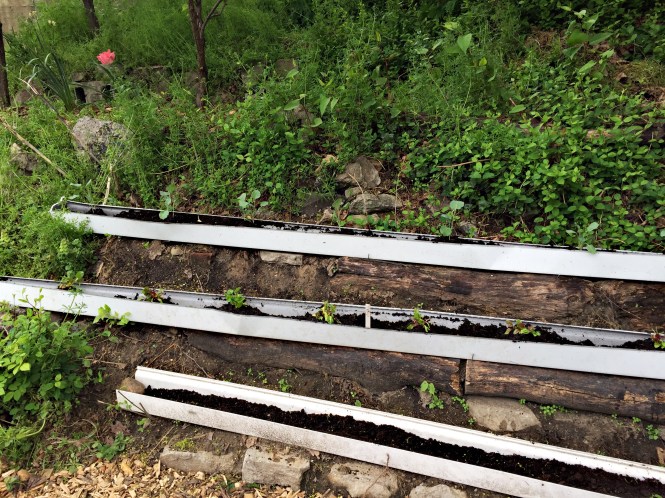
Gutter greens

We’ve already planted three rain gutters with greens and herbs

Our other experiment this year is straw bale gardening. One of our members picked up a bale from a nearby café’s leftover Halloween decoration, which was helpfully already broken down a bit, saving us some prep time. Then for ten days everyone who came on their watering shift sprinkled the bale with fertilizer and doused it with water to prime it with nutrients. Now we’ve covered the straw with a layer of soil mixed with compost and planted two spots with watermelon seeds. The plants will grow into the straw bale, and at the end of the season, we can mix the remaining straw into the bed to further amend the soil. We’re curious to see how it goes!
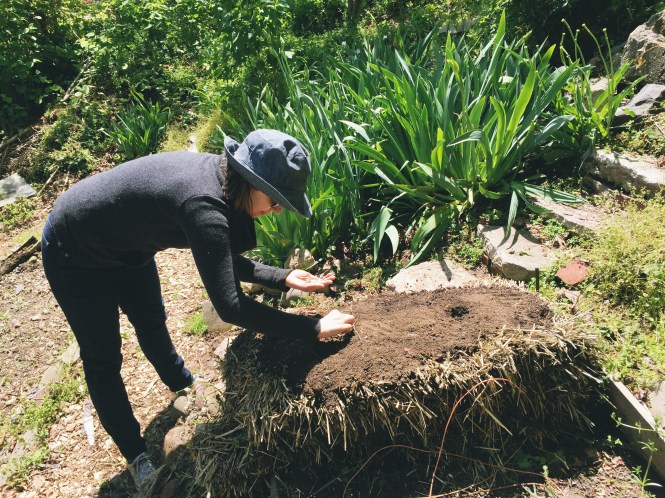
Strawbale planting

Watermelon seeds going in

We encourage members and visitors to be cautious working in and around our soil, especially younger folks. The most important tips from the posted sign are to wash your hands after gardening/playing and be mindful of tracking soil/dust into your home. If you are harvesting veggies, wash them thoroughly before eating. Also keep in mind these hazards are possible in most green spaces in the city!